Begin with the cheapest tools: a cup plunger, a bent wire or plastic drain snake, and a pot of hot (not boiling) water. Most tub, shower and bathroom sink clogs are hair bound with soap, and these three tools clear them. If more than one drain slows down together, the trouble lies deeper and belongs to a plumber. For stubborn lines, read about drain cleaning and clogs.
What follows covers each fixture, what works without chemicals, and the moment we would stop and arrange a local plumber instead. Homes across Thousand Oaks and Newbury Park often have drain lines dating from the 1960s through the 1990s, so a drain that slows a little more each month is common. Our home page shows the other plumbing jobs we arrange.
How do you clear a clogged shower drain?
Remove the strainer cover, pull the hair out using a plastic drain strip or needle nose pliers, and flush with hot water from the tap. If water still pools, plunge while a wet cloth covers the overflow so pressure goes down the pipe. Most shower clogs are hair wrapped in soap, lodged a few inches under the grate.
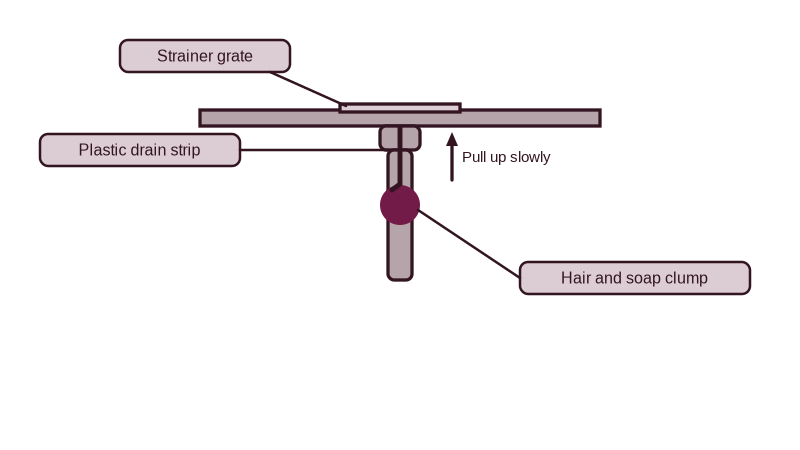
Hair is the cause of nearly every shower and tub clog, so the fix is mechanical. A drain strip costs very little and reaches the upper part of the trap. Pull slowly so the clump comes up whole rather than tearing off and falling back.
If the strip finds nothing, switch to a plunger. Put about two inches of water in the tub or shower pan so the cup seals, block the overflow opening using a wet rag, and work the plunger with short, firm strokes for about 20 seconds. Check whether the water drops. Repeat three times before you try anything else.
Tubs differ from showers in one way: the overflow plate on the tub wall connects to the same trap. A plug or lever mechanism behind that plate can hold its own hair and soap. Unscrew the plate, lift the linkage out gently and clean it by hand. That step solves slow tubs that a plunger could not.
Afterwards, place a mesh catcher above the drain to trap hair. Emptying it takes ten seconds and heads off the next clog.
How do you unclog a kitchen drain without chemicals?
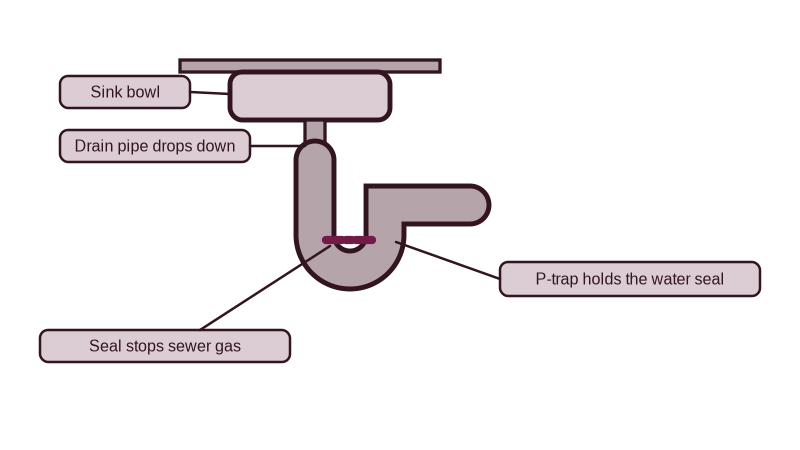
Kitchen clogs are made of grease, food scraps and soap. Run hot tap water, plunge with the second basin plugged if the sink is double, then unscrew the P-trap beneath the basin and clean it over a bucket. Most kitchen blockages sit in that trap or the short pipe after it, and both come apart by hand.
Position a bucket under the trap, undo its two slip nuts by hand or with channel locks, and tip out the contents. Brush the pipe clean, check the washers and refit it, snug but not tight. Then run the tap and look for drips for a full minute.
If the sink has a garbage disposal, cut its power at the wall before reaching in, and keep your hand out of the chamber entirely. For a disposal that hums but will not spin, see disposal repair help in Thousand Oaks. For the sink alone, the walkthrough on unclogging a kitchen sink covers the trap in more detail.
Does baking soda with vinegar really clear drains?
They help with light buildup and odor, yet seldom shift a genuine clog. The fizz loosens a thin film of soap and grease near the surface, yet it cannot shift a hair mass or move a plug further down the line. Use it as a monthly refresh, not as the repair for a drain that has stopped.
If you want a gentle, chemical free routine, try this monthly: tip half a cup of baking soda down the drain, follow with half a cup of white vinegar, cap the opening for ten minutes, then rinse with hot tap water. That clears odor and a thin film. It does not replace a plunger or a snake.
For clogs that return every few weeks, the cause is usually further down: a rough joint, a long flat run of pipe, or roots or scale in an older line. Cleaning the fixture will not fix those, which is when a drain cleaning visit with a camera or a larger cable makes sense.
What about a blocked drain vent or AC drain?
A blocked plumbing vent makes drains gurgle and slow even though the pipe is clear, and because the vent is on the roof, it is a job for a plumber. Clearing an AC condensate drain is easier: turn the unit off, find the access tee, and clear the line with a wet vac or a short stiff brush.
For the plumbing vent, signs include gurgling in more than one fixture, a sewer smell and slow drains that a snake does not cure. A bird nest or leaves can cause it. Climbing a roof for this is a fall risk, so do not do it yourself.
For the AC line, which carries water from the indoor coil to a drain outside, algae and dust build up over summer. Put the unit off, remove the cap, and vacuum the line at the outside end. Do not pour bleach straight in without checking the manufacturer's advice, because some systems have metal parts that dislike it.
When does a clog need a plumber?
Send a request if more than one fixture drains slowly, a toilet bubbles when a shower runs, sewage smells rise from a floor drain, or you have plunged and snaked a drain twice with no change. These signs usually point to the main line rather than the fixture, and call for a camera or a larger cable machine.
A water leak under the sink or a wet cabinet floor is a separate problem that needs a repair, not a snake. If water rises through a floor drain, stop using water throughout the home, including washers and showers. Slow flows can wait a day. Overflow cannot.
For a price, use the quote page to send a request. Requests are passed to local plumbing businesses on weekdays, and the plumber who takes yours states the cost before work starts. For general cost expectations, read sink unclogging fees in Thousand Oaks, and if the sink is the only issue, reasons a sink drains slowly covers the likely causes.
How do you clear a bathtub drain with standing water?
Standing water means the trap or the line just past it is blocked. Plunge first with the overflow covered, then try a hand drain snake pushed in until it meets resistance, turned and withdrawn. If the water drains but slowly, repeat the snake once. If it does not move at all, stop and arrange a plumber.
A cheap plastic snake works for the first foot or so. A small hand-crank auger reaches further, but only use it with light pressure, because a hard push can scratch the finish on an older tub or kink a thin trap arm. Wear gloves, lay a towel on the tub, and expect the smell.
Do not pour a stack of different products down the same drain. Two cleaners together can release fumes, and a half-full tub of harsh chemical water makes a plumber's job more dangerous. If you used a store product and it failed, tell the plumber what you used and when.
How do the pipes under a kitchen sink fit together?
The tailpiece from the strainer joins a P-trap, which joins the wall stub. Dry fit everything first, keep the horizontal run sloping gently toward the wall, and tighten the slip nuts by hand, then add a quarter turn with pliers. A trap set too high or too low is a classic cause of slow kitchen drains.
A double bowl sink uses a continuous waste tube to link the two tailpieces before they drop into one trap. If you add a dishwasher or disposal, its drain hose connects higher up on a tee or the disposal's inlet, with a loop or air gap that stops dirty water running backward. Local building rules can apply when the drain layout changes, and a permit may be needed for anything beyond a straight swap. Depending on where your home sits, the Ventura County Resource Management Agency or the City of Thousand Oaks Building and Safety department can advise.
How do you unclog a laundry drain?
Washing machine standpipes clog with lint and detergent residue. Switch the machine off, lift the drain hose out of the standpipe, and push a long flexible brush or a hand snake down the standpipe. If water backs up while the machine runs, stop the cycle and do not keep washing, because the laundry box can overflow.
Check the lint trap, the hose ends and the filter behind the machine's access panel first. These catch a good share of the lint before it reaches the pipe. If the standpipe still fills during a drain cycle, a snake usually clears it. A laundry line that backs up repeatedly points to a larger blockage in the branch line.
A laundry line often shares a drain with a bathroom group. If a tub or toilet gurgles while the machine empties, the blockage lies further down and a plumber should run a cable through the cleanout.
Common questions
How much time should clearing a drain by hand take?
A simple hair clog in a shower or tub usually takes ten to twenty minutes with a drain strip or plunger. A kitchen trap takes about as long, plus cleanup. If an hour of effort leaves the water still standing, stop. More effort at that point tends to push the blockage further down.
What questions should I raise before hiring a drain clearer?
Ask how the price is set, whether the visit includes a camera inspection or only a cable, and how it is handled if the clog turns out to be deeper than expected. Ask if the visit price covers a return trip. Have the answers in writing before the plumber starts, and request the quote through the form so it is on record.
Is a store bought drain cleaner safe to use?
Use it sparingly and only once. Strong cleaners can heat up in a blocked pipe, damage old metal or plastic and splash back at you. Never mix two products, and tell any plumber who comes afterward what you poured down, since standing chemical water burns skin. A plunger or snake is safer for a first try.
Will a plumber need to come inside the house?
Often yes, for a tub, sink or toilet, and for the cleanout if the line is clogged. An outdoor cleanout can sometimes be reached from outside. State in your request where the problem fixture is and whether the cleanout is outdoors, so the visit can be planned around who will be there.