A burst pipe is rarely a surprise to the pipe. It has usually been stressed for years by high pressure, corrosion or a weak fitting, and the break is simply the last step. That is good news, because most of the causes are checkable. This guide comes from Conejo Plumbing Pros and focuses on homes in the Conejo Valley, where age of the house and water pressure matter more than winter weather. Below are the checks, the habits and the leak warnings worth acting on.
What are the steps to prevent a burst pipe?
Keep water pressure in a safe range, replace pipe that is close to wearing out, protect the few lines exposed to cold, learn where your main shut-off is and fix small leaks promptly. Each removes one way a pipe can fail, and together they cover most of what causes a break in a home.
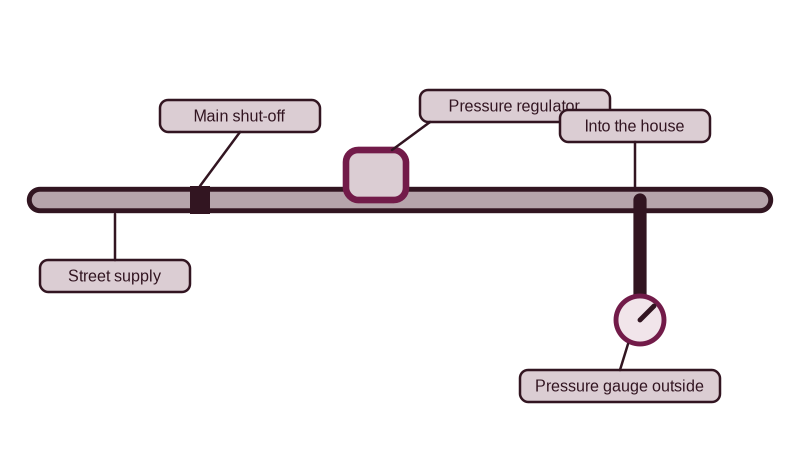
Pressure is the one most owners never check. A cheap gauge screws onto an outdoor hose bib, giving you the static pressure in the house. A reading that sits high wears on every joint, fixture and appliance hose. A pressure regulator near the main shut-off keeps it in check, and you can find details on water pressure problems or what a pressure regulator looks like.
Age is next. A pipe that is leaking at pinholes already has thin walls, and the next hole is coming. If your home has more than one repair on the same type of pipe, consider pricing a repipe before the next failure floods a floor.
Which upgrades lower the risk most?
A pressure regulator set at a sensible level, braided stainless supply lines on toilets and sinks, a shut-off valve you can reach on every fixture, a water heater with a drip pan and a leak sensor, and an automatic shut-off valve that closes when it senses flow are the common upgrades. Pick by the risk in your home.
Swapping in braided washing machine hoses every few years is a small job with a large payoff, since a failed hose can flood a laundry room quickly. Small battery leak sensors under sinks, by the water heater and behind the toilet cost little and send an alert before the damage spreads.
If your home has gray polybutylene or galvanized lines, an upgrade is a bigger job and needs a plumber and probably a permit. Ask the building office for your address whether a repipe needs one. Read about the options in PEX versus copper.
Does the Conejo Valley get cold enough to freeze pipes?
Freezes are not the usual cause here, but they are not impossible. Higher, exposed parts of the valley, such as hillside lots and some of the quiet canyons, can see cold nights, and an uninsulated pipe on an outside wall, a hose bib or an attic line can freeze when it happens. Ordinary Thousand Oaks winters are mild.
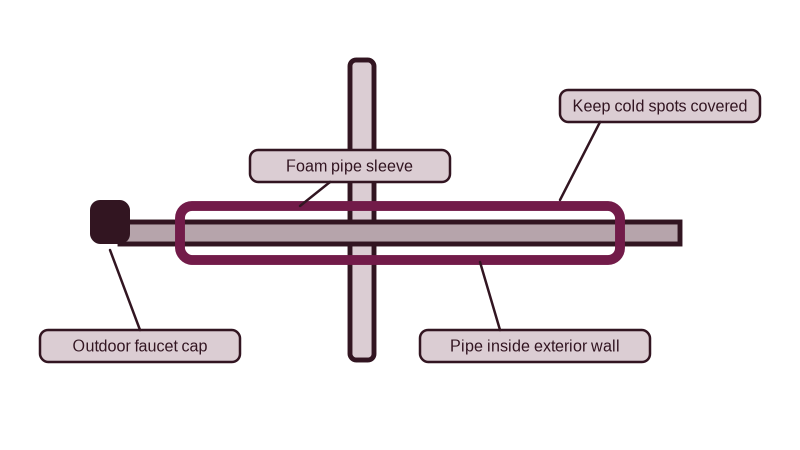
If a cold snap is forecast, disconnect garden hoses, cover outdoor faucets with insulated caps, and open cabinet doors under sinks on outside walls so house air reaches the pipe. Let a faucet drip slowly overnight on a line you worry about. Flowing water resists freezing, and a drip costs little next to a ruptured line.
Do not assume a pipe that froze and thawed is fine. Expanding ice can crack a pipe that stays dry until pressure returns. Reopen the water gradually, watch the pipe and the ceiling below, and check joints for drips.
What wears pipes out over time?
Corrosion, mineral scale, aggressive water, tree roots on buried lines, ground movement and plain age all wear pipes out. Galvanized steel corrodes internally, copper can develop pinholes, polybutylene fails at its fittings and old plastic can turn brittle in the sun. The material tells you what to watch for.
In older Thousand Oaks and Newbury Park homes you may find galvanized steel, copper or, for homes built between the late 1970s and mid 1990s, polybutylene, and a plumber can often identify the type from the first visible pipes at the meter or water heater. Newer homes in Dos Vientos and North Ranch may have PEX or copper, which age differently.
Scale builds up in hard water, narrowing pipes and stressing water heaters. Our page about stopping hard water scale covers that side. A water heater left unflushed and unchecked is another quiet source of a flood.
Which early signs point to a leak?
Watch for a water bill that keeps rising, a meter that turns with everything off, running water heard in a quiet house, damp or warped floors, a musty smell, ceiling stains and a sudden pressure drop. Any one deserves a look, and two together deserve a plumber that day.
Try the meter test: note the reading, go out for a couple of hours with nothing running, and compare the dial on your return. A moved dial means a leak. Test toilets first with dye, then inspect the water heater, outdoor taps and irrigation system. Walk through it with our note on a high bill but no visible leak, or why a water bill climbs.
Leak detection gear can locate hidden leaks in walls or under a slab without tearing things open. A slab leak shows up as a warm floor patch, a hot water bill spike or a sound in the concrete. What follows is explained in slab leak repair costs.
How do you respond if a pipe lets go?
Close the main valve at once, cut electricity to wet areas if that is safe, open faucets to empty the lines and begin moving belongings out of the water. Then ask for a plumber. Photograph everything for your records before cleaning up. Do not wait to see if it stops.
Learn where the shut-off is before you need it. Look for the main valve near the garage on the front of the house, or in the meter box. A gate valve may be stiff from years of disuse, and a lever ball valve is quicker. Work it once a year so it moves when needed.
Water and electricity are a bad mix. If water runs through a light fixture or near the panel, leave the house and ask the utility or an electrician how to cut power safely. If gas is present, step outside and reach SoCalGas at 1-800-427-2200; 911 is for anyone in danger. Our emergency burst pipe page and the guide to telling if a pipe burst describe the next steps.
Common questions
How often should I check my pipes for leaks?
Walk through the house each season. Check beneath sinks, behind toilets, near the water heater and along the washing machine hoses, and read the meter once a quarter with everything off. A quick monthly glance at the water bill also helps, since a sudden rise often shows a leak before dampness appears.
Will my home insurance cover a burst pipe?
Policies vary, and this site cannot say what yours states. Many policies treat sudden accidental water damage differently from slow leaks and gradual wear, and some exclude the pipe repair cost itself. Read your policy, photograph the damage, and ask your insurer what is covered before repairs begin.
Is turning the water off a good idea during a vacation?
It is a cheap precaution. With the main valve closed, a hose or pipe that fails while you are away has no supply behind it. Turn off the water heater, or set it to vacation mode, if the main stays shut longer than a few days. Check your irrigation setup so it does not stop watering.
Can a plumber check my whole house for weak pipes?
Yes. A plumber can inspect visible pipe materials, pressure, fittings, the water heater and valves, and can run a drain camera or use leak detection gear for a suspected hidden leak. Tell us what you want checked via the quote form; we send it on to local plumbing businesses.