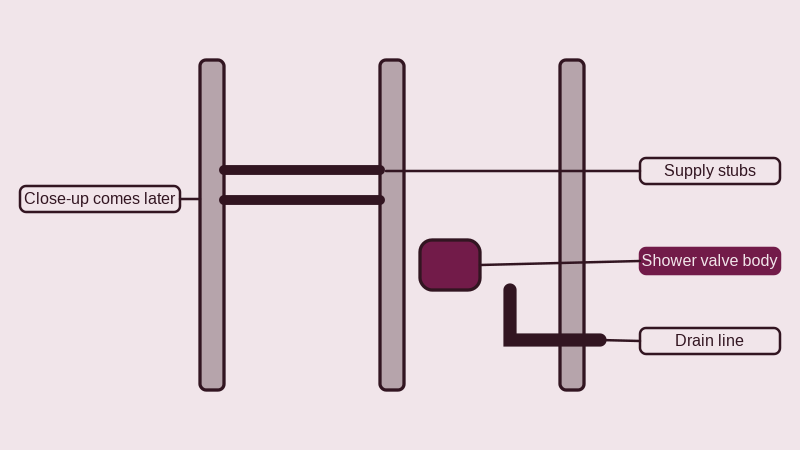
Remodel plumbing comes in two visits: a rough-in once the room is down to studs, and a finish stage after the tile, vanity and tub are installed. Inspection, drywall and tile fall in between. Decide fixture positions, valve types and any pipe changes before demolition, because moving a drain later costs a lot. To have a local plumber arranged, start at Conejo Plumbing Pros or use the price request form.
What plumbing tasks does a bathroom remodel include?
Most remodels include removing old fixtures, capping or rerouting supply and drain lines, setting a new shower valve, relocating or replacing the toilet flange, fitting new shutoff valves, and leak testing. Scope depends on whether fixtures stay put. Keeping the layout keeps plumbing work small. Moving the toilet or shower multiplies it.
Break the project into jobs:
- Demolition: water off at the room, fixtures out, old valves exposed.
- Rough-in: supply stubs, drain lines, vents, shower valve body, tub drain and overflow.
- Pressure test and inspection: the plumbing is left open for a check if a permit applies.
- Close-up: backer board, waterproofing, tile.
- Finish: trim kit, faucets, toilet, vanity drain, final test.
Work in that order. A plumber who is booked only at the end cannot fix a valve set at the wrong depth.
Should I move the toilet, tub or shower?
Moving fixtures is possible, but every move changes drain slope, vent paths and sometimes the floor structure. The cheapest remodel keeps the toilet where it is, because the drain runs through a slab or floor framing and relocating it means opening the floor. Shifting a shower or vanity a few feet is easier than moving a toilet.
Think about these constraints. In a concrete slab home, a drain move can mean cutting the slab, which is a larger project than a bathroom remodel suggests. In a raised-floor home, joist direction decides how much freedom you have. Older homes from the 1960s and 1970s in Thousand Oaks and Newbury Park may have cast iron or galvanized lines that a remodel is a good moment to inspect.
Have the plumber inspect the existing lines before the layout is final, and report their condition. For related background, see replacing galvanized pipe and polybutylene pipe.
Which pipes and valves should I choose?
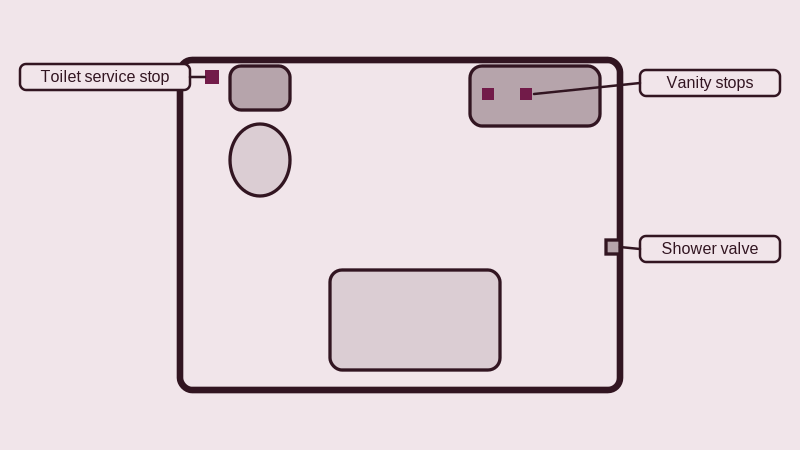
For supply lines, copper and PEX are both common in California remodels, and each has its merits. For the shower, pick a thermostatic or pressure-balancing valve, because either one softens sudden temperature swings. Install accessible shutoff valves at each fixture. Pick the valve brand first, then buy a trim kit that fits, since valve bodies and trims are tied together.
Our PEX vs copper guide covers the supply decision in detail. A few points specific to bathrooms:
- A new shower valve is best bought with a matching trim, and its depth in the wall is set before tile goes on.
- A thermostatic valve costs more than a pressure-balancing one, but offers steadier temperature.
- Put a service stop under every sink and toilet, so the next repair does not need the main shutoff.
- Specify a drain size and trap type for the vanity and the tub before the framing is closed.
Scalding is a real safety risk. Check the water heater setpoint, pick either a thermostatic or a pressure-balancing shower valve, and ask the plumber which type your model is.
What does the plumber need to know before the job starts?
Tell the plumber the fixture list, the brand and model if chosen, whether the layout changes, what the walls and floor are made of, and any history of leaks. Give the plumber the tile and vanity schedule too. That lets them plan rough-in depths and order parts. A last-minute fixture change is the main source of delay.
Provide spec sheets for the toilet, tub, shower valve and faucet when you have them. Rough-in dimensions matter: a toilet needs a set distance from the wall, a tub that stands free needs its floor drain in the right spot, and a wall-mounted faucet needs a stub-out at the correct height. Photos of the existing bathroom with the cabinet doors open also help. For a brand-new build rather than a remodel, the plumbing cost for a new house page covers how that bill differs.
Does a bathroom remodel need a permit?
Often yes when plumbing, electrical or structure changes, and sometimes not for a purely cosmetic swap. Permit rules vary by jurisdiction, so check with the building office. Inside Thousand Oaks that is City of Thousand Oaks Building and Safety. For homes in unincorporated areas, the Ventura County Resource Management Agency handles building and safety.
A permit brings an inspection, and the inspector may want to see the rough-in before it is covered. Ask whoever does the plumbing whether they will apply for the permit and schedule the inspection. California requires a contractor license above a legal job threshold, and for plumbing work you can ask to see it and check it with the state board. Never accept "no permit needed" without asking why.
Which plumbing problems surface during a remodel?
Common finds are corroded shutoff valves that break when turned, galvanized supply lines that have narrowed inside, rotted subfloor around a leaking toilet flange, old shower pans that leaked quietly, and undersized or missing vents. A remodel exposes these. Budget a contingency, and treat surprises as information rather than a setback.
If the shower has been leaking, the damage often reaches the framing, so the remodel doubles as a repair. See plumbing help for a shower leak for the signs of a failed pan or valve. If the toilet is being replaced, toilet replacement cost explains the price drivers, and faucet install cost covers taps.
Hillside tract homes in the Conejo Valley sometimes put bathrooms on a second level above a garage or living room, so a leak costs more than on a slab. Check the water pressure too: very high pressure strains new valves, and talking over a pressure regulator with the plumber may be worthwhile.
How do I schedule the plumber around the other trades?
Book the plumber for rough-in as soon as demolition is done, and tell them the date for tile. The usual sequence runs demolition, plumbing and electrical rough-in, inspection, drywall and waterproofing, tile, then plumbing finish and painting last. A plumber who knows the tiler's date can set valve depths correctly and leave the walls ready.
Arrange the finish visit after tile grout has cured, so that the trim kit and the faucets are fitted to finished surfaces. Keep the old toilet or a temporary one if the bathroom is your only one, since the remodel can leave you without a working fixture for days. Ask each trade for their lead time at the first contact. Our where we work page lists the areas we arrange plumbers in.
Common questions
How long does remodel plumbing take?
Rough-in for a bathroom with an unchanged layout is often one to two days, with the finish stage usually one more. A layout change, a slab cut or an unexpected repair adds time. The plumber should provide visit dates so the other trades can be scheduled. Waiting on inspection can add a few days.
Is it fine to keep the existing shower valve?
If it works, matches the trim you want and is reachable, yes, but old valves often fail soon after a remodel and are hard to replace once tile is up. Many owners renew the valve while the wall is open. Ask the plumber for a view on the valve's condition and the extra effort of replacing it now.
Are new shutoff valves necessary?
Usually. Old stops that have sat untouched for years may leak or snap when closed. New quarter-turn valves cost little next to the remodel, and they simplify future repairs. Fit one under the vanity, one at the toilet and ideally one controlling the whole bathroom.
Which questions help when comparing remodel quotes?
Ask whether the quote covers rough-in and finish, includes the shower valve and trim, names who pulls the permit, addresses damage hidden in the walls, and sets a payment schedule. Have fixtures named in a written quote. Look up the contractor license on the state board's website.
Can you point me to a plumber for my bathroom?
We pass your request on to a local plumbing business, and a plumber from it visits and writes up a quote. Use the price request page and include the fixtures you plan and photos of the current layout, and mention your neighborhood, such as Newbury Park or Dos Vientos. Plans for the Newbury Park area are on their own page.