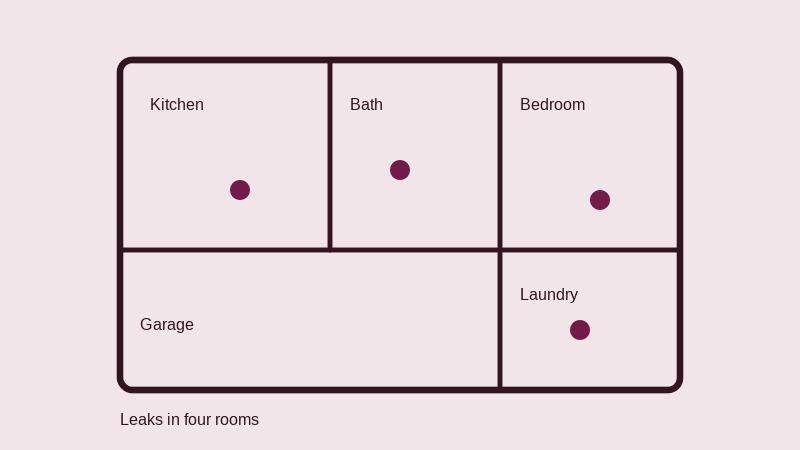
A repipe makes sense once the supply lines inside the walls can no longer be fixed one leak at a time. It is a planned upgrade, not a reaction to one drip. If you are weighing it, our main page on repiping a house in the Conejo Valley describes the job itself, while this page deals with the reasoning: what points toward replacement, what does not, and what you gain afterward. Everything else we arrange is on the home page.
Why would anyone repipe a house instead of fixing leaks?
Because the leaks stop being isolated. When copper develops pinholes in several places, or old steel clogs along its whole length, each repair buys time but does not change the condition of the rest. At some point the repair bills and water damage add up to more than one planned project.
The pattern to watch is spread, not count. One pinhole in a section that was damaged by a nail or a hot spot is a repair. A second and third leak in different rooms within a couple of years suggests the pipe walls are thinning everywhere. Plumbers will often say the same thing about older systems: the next leak is not a matter of if. That is a judgment call, and a second written opinion is reasonable before committing to a larger bill.
Which pipe materials most often lead to a repipe?
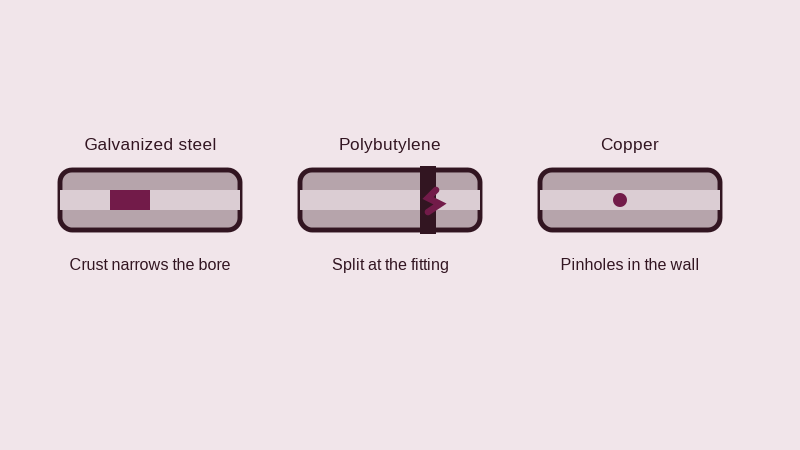
Two materials lead the list, galvanized steel and polybutylene, with copper in aggressive water in third place. Galvanized pipe corrodes internally and chokes the flow. Polybutylene, a gray plastic fitted in many houses from roughly the late 1970s into the mid 1990s, is known for failing at fittings.
Homes put up in Thousand Oaks and Newbury Park between 1960 and 1999 span the years when each of these materials was in use, so find out what you have rather than assuming. Color, markings and the point where the pipe enters the house let a plumber identify it. The guides to replacing galvanized pipe and replacing polybutylene pipe cover each. Houses built since then more often have copper or PEX, and they repipe less often.
What are the downsides of repiping?
Cost comes first, followed by several days of disruption and wall repair. Drywall is cut and patched, the water is shut off during part of every day, and paint or texture finishing may be billed apart from the plumbing. A repipe also leaves drain, sewer and fixture problems untouched, so confirm what is in scope.
Timing matters. Before a kitchen or bathroom remodel, repiping first avoids opening finished walls twice. If you plan to sell soon, a plumber's written findings may help you decide whether to repipe or to disclose and price accordingly. California sellers have disclosure duties, so ask a real estate professional about your situation, because this page is not legal advice.
What do you gain from a repipe?
You gain steadier pressure and flow, cleaner water at the tap, fewer surprise leaks inside walls, and in many cases a sound system you can stop worrying about. Insurers may also view a new system more favorably, though that depends on the insurer. A repipe does not raise water pressure beyond what the supply delivers.
Other gains are practical. New shutoff valves at each fixture let you isolate a leak in seconds. A pressure regulator, if the house had none, protects fixtures and appliances; the page on water pressure regulators describes the device. Choosing PEX or copper at the same time lets you pick the material that suits your water. The comparison of PEX and copper explains the trade-offs.
How can I tell a house needs new pipes?
Watch for repeated pinhole leaks, brown or rust-tinted water from several fixtures, pressure and flow that fade at the taps farthest from the meter, and green or white crust on copper or flaking on steel. One sign alone needs a plumber to confirm it; several together point to replacement.
You can check without tools. Run a tap that has sat unused and watch the first few seconds for color. Inspect exposed pipes in the garage, under sinks and beside the water heater for crust, stains or weeping joints. Note whether weak pressure affects the whole house or one fixture, since a single weak fixture usually points to a clogged aerator or valve rather than a pipe problem. The EPA estimates that over 9,300 gallons of water a year go to waste through leaks in the average household, so a rising water bill can be another early signal; read why water bills run so high.
Is it worth waiting, and what can I do meanwhile?
Waiting is fine when the system is sound and leaks are isolated, but risky when pipes are failing. In the meantime, learn where the main shutoff is, test it, repair drips quickly, and consider an automatic shutoff or a leak sensor. A plumber's inspection can show which category you are in.
The guide to repiping intervals for a house gives age ranges by material, and the cost guide lists what a quote should include. For quotes, describe your house in the quote form.
Common questions
What tells me my house needs repiping?
Repeated leaks in different spots, discolored water from many taps, falling flow and visible corrosion on exposed pipe all count. Have a plumber name the pipe material. One leak alone does not mean a repipe. Several signs together on an older material do mean a written opinion is worth getting.
Does repiping a house pay off?
It can, when the alternative is repeated repairs and water damage. It is less clearly worthwhile for a sound system with a single leak. Request itemized quotes, weigh them against your repair history, and think about how long you will stay in the house.
How long does a repipe take, and can I stay home?
Most houses need a few working days, and many families stay put while the water is off for a portion of every day. Dust and noise are the main strain. Ask the plumber for a day-by-day plan showing which rooms lose water first, then arrange cooking and bathing around it.
What should I ask before hiring a repipe contractor?
Find out who gets the permit, what pipe and fittings will go in, how walls will be patched, whether valves and a regulator are included, and what the schedule looks like. Get the contractor license number and check it with the state board before any work starts or any deposit is paid.