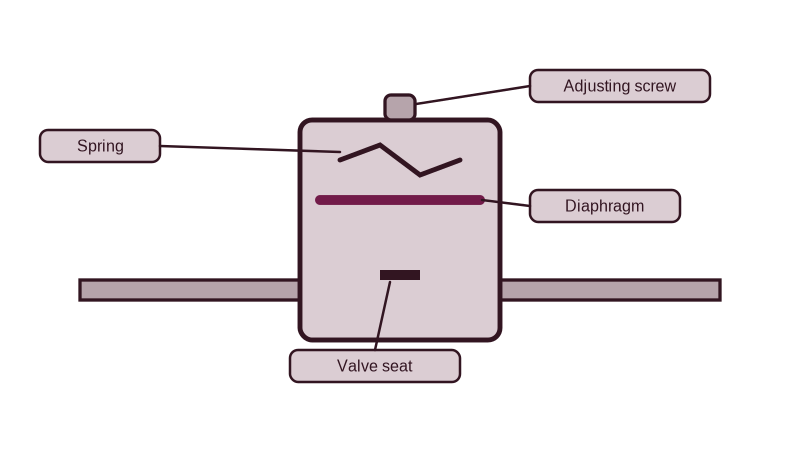
Shaped like a bell and made of brass, the whole house regulator is fitted on the main supply pipe, typically near the shut off. Its task is to lower street pressure to a steady level inside the house. A failing one can leave pressure too high, too low or swinging. For pressure complaints, begin with our low water pressure page.
Hillside homes, such as many in Thousand Oaks, Newbury Park and Oak Park, can see high street pressure where a slope bottoms out. Old valves wear after years of service. Ahead: what the valve does, how it fails, how a plumber tests and adjusts it, and when replacement makes sense. Other work we arrange is listed on the home page.
What does a whole house pressure regulator do?
Pressure coming in from the supply line is reduced to a safe, fixed level for your home's pipes, fixtures and appliances. A spring and diaphragm inside open and close a valve to keep downstream pressure steady. Without one, high street pressure can strain pipes, supply lines and the water heater.
Static pressure means the number shown when every tap is closed, and a hose bib gauge displays it. Too much pressure shows up as banging pipes, running toilets, dripping faucets and fixtures that die early. Joints leak and washing machine hoses wear out as well. The EPA says leaks in a typical household can waste over 9,300 gallons of water yearly, and excessive pressure makes leaks likelier.
The regulator cannot fix low flow from a clogged pipe or a half-closed valve. It only caps the top.
What happens during a regulator replacement?
First the plumber shuts the main and bleeds off pressure. The old valve is then unscrewed or cut out, and a new one goes in with unions. Water is reopened slowly, and a gauge confirms the pressure setting. A straight swap does not usually need a permit, but confirm with the City of Thousand Oaks Building and Safety office or the Ventura County Resource Management Agency.
Expect a brief visit if the valve can be reached easily. A buried valve, or one in a tight wall space, may mean the plumber has to cut a small access opening. If there is no shut off valve, adding one at the same time helps in future repairs. Ask whether a new main shut off is in the quote.
A quote should list the valve model, the labor, the shut off, the gauge test and the final pressure setting. We have not checked a published price, so we give no figure here.
How can you tell a regulator is failing?
Clues include water hammer, pressure that is too high or too low, sudden differences from tap to tap, a dripping relief valve on the water heater, and toilets that run or refill slowly. A hose bib gauge settles it. If the number climbs overnight, the regulator is letting pressure through.
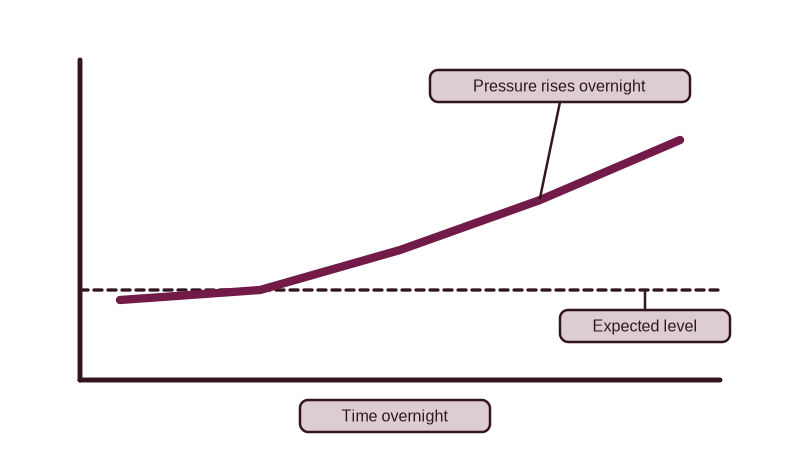
Steps for a simple test:
- Screw a pressure gauge to an outside hose bib.
- Stop all indoor water use and read the gauge.
- Check again in the morning. A rise suggests creep, where the regulator is passing pressure.
- Open a tap and watch the gauge drop. A huge swing means the valve is worn.
Hardware stores sell hose bib gauges. Note the number before you send a request. A noisy pipe is also a clue, see water hammer sound.
When do you need to replace the regulator?
Replace it when the pressure keeps rising after an adjustment, it leaks at the bell, it is noisy, pressure swings or the valve is old and corroded. These valves are wear parts that often last many years but not forever. A plumber matches the size, such as three quarter inch, and the type.
A replacement needs the main water off, a union fit to simplify the swap and, if the valve is the first one in the house, a check on the pressure after. Sizes matter: see three quarter inch regulators for the common home size. Quality varies, so use our page on choosing a home water pressure regulator to see what matters.
If you are on a hillside, ask the plumber if high street pressure suggests a second regulator, or a higher rated valve. Replacement guidance is also on water pressure regulator replacement.
Where does the regulator sit in a house?
Start where the main line comes into the house. Frequent spots are the front near the hose bib, the garage, or beside the water heater. Expect a brass bell roughly fist-sized, downstream of the main shut off. Some homes have none. Our page on locating the pressure regulator offers more clues.
If you find none, a house on a flat lot may lack one, or the utility may already supply safe pressure. Homes on wells use a pressure tank and switch in place of a regulator. For a description of the part, see how a pressure regulator looks.
How do you request a quote?
Use the quote form to describe the symptoms, give the gauge reading if you took one, and say how old the house is and where the main enters. Local plumbing businesses that pay us a fee receive these requests. Staff review them on weekdays from 9am to 5pm, and no response time or price is promised.
Can you adjust a whole house regulator yourself?
On top, many regulators have a bolt or screw for adjustment, secured with a locknut. Clockwise raises the outlet pressure and counterclockwise lowers it. Make small changes while watching a hose bib gauge. A valve that will not hold pressure, or leaks, should be replaced. Never adjust blind.
Loosen the locknut, turn a half turn, open a tap to relieve the pressure, then read the gauge. A target for your home depends on the fixtures and appliances; check what the plumber or the maker's papers recommend. Do not set it so low that showers feel weak. If you change the setting and nothing changes, the diaphragm has failed.
When a regulator traps pressure in the house, a thermal expansion tank on the water heater helps, because expanding hot water otherwise has no outlet. Read about replacing an expansion tank.
Common questions
How much time does swapping a regulator need?
Many swaps are quick when the valve is within reach. A buried valve, corroded pipe or a shut off that has to be installed adds time. Water stays off for part of the visit, so schedule around that, and request a time window from the plumber.
What do I ask a plumber before pressure work?
Request measured pressure readings from before and after, the valve model, whether a shut off and unions come with it, and what the warranty covers. Also ask whether the expansion tank needs attention. Have the quote in writing before work starts.
Does an adult need to be home?
Yes, someone should be there to point out the main valve and approve the setting. The water goes off briefly. Clear the way to the garage or front of the house where the main sits, and keep pets away from the work area.
Can high water pressure damage my plumbing?
Yes. Over time it can wear fixture seals, supply lines, toilet valves and the water heater, and it can make pipes bang. A gauge reading and a working regulator keep pressure in a safe range. If you suspect it, test before you replace parts.